
Unveiling Unionization Trends in South Africa: A Guide for Employers

In the ever-evolving landscape of industrial relations in South Africa, the dynamics of unionization play a pivotal role in shaping the employer-employee relationship. In this blog post, we delve into the current unionization trends in South Africa, shedding light on what employers need to know to navigate this landscape successfully. Understanding these trends is key to fostering positive industrial relations and ensuring a collaborative and informed approach to workforce dynamics. The Landscape of Unionization in South Africa 1. Historical Context: South Africa has a rich history of labor activism, and unions have played a crucial role in advocating for workers\’ rights. The legacy of the labor movement has left a lasting impact on the country\’s industrial relations landscape. 2. Sector-Specific Trends: Unionization trends in South Africa can vary across different sectors. Understanding the unique characteristics of unionization in specific industries is essential for employers to tailor their approaches effectively. Current Unionization Trends 1. Membership Numbers: While unionization rates in South Africa have seen fluctuations over the years, unions remain influential. Understanding the current membership numbers and trends provides employers with insights into the level of representation in their respective industries. 2. Emerging Worker Priorities: Recent trends indicate a growing emphasis on issues such as fair wages, workplace safety, and job security. Employers need to stay attuned to these evolving priorities to engage effectively with their workforce. What Employers Need to Know 1. Legal Framework: Understanding the legal framework surrounding unionization is crucial for employers. Familiarize yourself with labor laws, collective bargaining regulations, and the rights of both employers and employees in the context of union activities. 2. Proactive Employee Engagement: Proactively engaging with employees and addressing their concerns can be a powerful strategy. An open dialogue can help build trust and reduce the likelihood of unionization efforts driven by dissatisfaction. 3. Collective Bargaining: For employers, engaging in fair and transparent collective bargaining processes is key. This involves negotiating in good faith, understanding employee needs, and working towards mutually beneficial agreements. 4. Conflict Resolution Strategies: Being prepared for potential conflicts and having effective conflict resolution strategies in place is crucial. This can involve both internal mechanisms and, when necessary, external mediation to address disputes. Conclusion: Navigating Unionization Dynamics In navigating the unionization landscape in South Africa, employers must stay informed, adaptable, and proactive. By understanding the historical context, current trends, and legal considerations, employers can foster positive industrial relations and contribute to a harmonious workplace environment. The key lies in building constructive relationships with employees, addressing their concerns, and working collaboratively towards a shared vision of a thriving and equitable workplace. As South Africa\’s workforce continues to evolve, employers who navigate unionization trends with insight and diligence will be well-positioned for success in the ever-changing industrial landscape.
Building a Positive Workplace Culture: The Foundation of Employee Relations
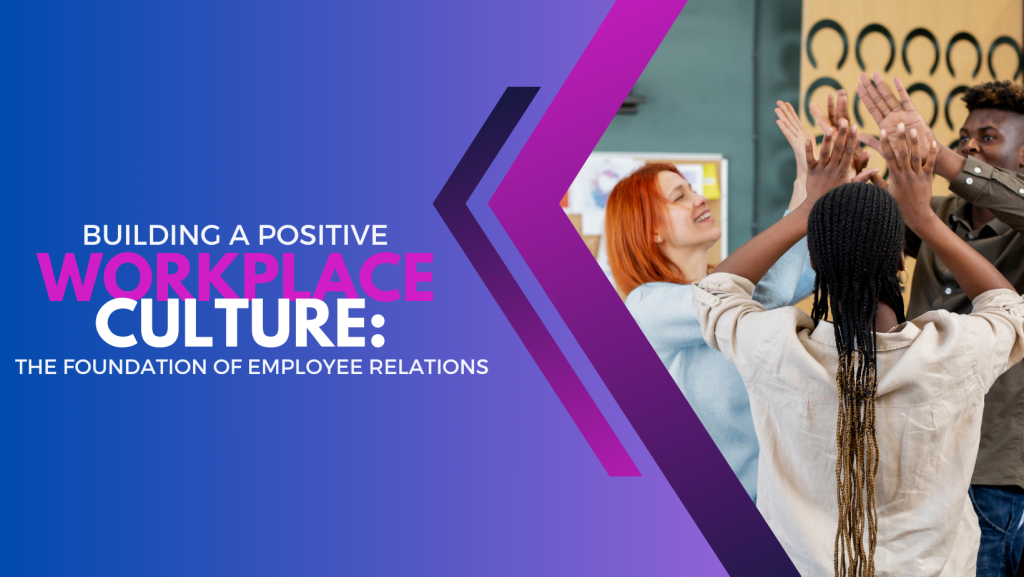
In the realm of Employee Relations (ER), one key factor stands out as the bedrock of organizational success: a positive workplace culture. In this blog post, we delve into the profound impact of a positive culture on employee engagement, satisfaction, and overall business performance. Join us as we explore strategies for building and nurturing a workplace culture that fosters collaboration, innovation, and lasting employee relations. The Power of Positive Workplace Culture 1. Employee Engagement and Productivity: A positive workplace culture is a catalyst for heightened employee engagement. When employees feel connected to their work and share a sense of purpose with their colleagues, they are more likely to invest their energy and creativity into their tasks. This, in turn, boosts overall productivity. 2. Enhanced Employee Relations: A positive culture creates a conducive environment for healthy employee relations. Open communication, mutual respect, and a sense of belonging are nurtured, laying the foundation for strong interpersonal connections within the workplace. 3. Recruitment and Retention Magnet: Companies with a positive culture become magnets for top talent. Prospective employees are drawn to organizations that prioritize employee well-being, growth, and a supportive work environment. Additionally, a positive culture contributes to employee retention, reducing turnover costs. Strategies for Building a Positive Workplace Culture 1. Clear Values and Mission: Define and communicate the organization\’s values and mission clearly. When employees understand the purpose behind their work, they are more likely to feel a sense of fulfillment and alignment with the company\’s goals. 2. Empowerment and Recognition: Empower employees by providing them with opportunities for growth and development. Acknowledge and celebrate achievements regularly to foster a culture of recognition and appreciation. 3. Open Communication Channels: Encourage open communication at all levels of the organization. Establishing transparent communication channels ensures that employees feel heard and valued, contributing to a positive and inclusive workplace. 4. Work-Life Balance: Promote a healthy work-life balance by offering flexible work arrangements and promoting policies that prioritize well-being. A balance between professional and personal life contributes to employee satisfaction. 5. Team Building Activities: Organize team-building activities that encourage collaboration and strengthen interpersonal relationships. These activities can be both in-person and virtual, fostering a sense of camaraderie among team members. Conclusion: Fostering a Culture of Excellence As Employee Relations professionals, it is paramount to recognize the pivotal role that workplace culture plays in shaping the employee experience. Building and sustaining a positive culture requires commitment, consistent effort, and a genuine investment in the well-being and growth of your team. By prioritizing a positive workplace culture, organizations not only enhance employee relations but also create a resilient foundation for long-term success. Embrace the journey of cultivating a positive culture, and watch as it becomes the driving force behind a thriving, engaged, and high-performing workforce.
Navigating the Future Workplace: Remote Work and Employee Relations Challenges and Solutions

In recent years, the landscape of the modern workplace has undergone a profound transformation, with remote work becoming a prominent feature in many industries. While the benefits of remote work are undeniable, it also brings forth a unique set of challenges for Employee Relations (ER) professionals. In this blog post, we will explore the challenges associated with remote work and offer practical solutions to enhance Employee Relations in the era of virtual collaboration. Challenges of Remote Work for Employee Relations 1. Communication Barriers: The absence of face-to-face interaction can lead to communication challenges, potentially resulting in misunderstandings, misinterpretations, and feelings of isolation among remote employees. 2. Maintaining Company Culture: Fostering a strong company culture becomes more challenging when employees are dispersed geographically. ER professionals need to find innovative ways to cultivate a sense of belonging and shared values among remote teams. 3. Work-Life Balance: Remote work can blur the lines between professional and personal life, leading to potential burnout. Striking a balance and ensuring employees have clear boundaries between work and personal time is crucial. 4. Performance Monitoring: Effectively evaluating and monitoring employee performance without the traditional office environment poses a significant challenge. Establishing fair and transparent performance metrics becomes paramount. Solutions for Remote Employee Relations Excellence 1. Implementing Robust Communication Tools: Investing in advanced communication tools fosters real-time collaboration and helps bridge the communication gap. Regular video conferences, team meetings, and virtual town halls can enhance connection among remote employees. 2. Virtual Team Building Activities: ER professionals can organize virtual team-building activities to strengthen bonds and reinforce the company culture. This can include online workshops, team challenges, and virtual social events. 3. Flexible Work Policies: Introducing flexible work policies that acknowledge the unique challenges of remote work demonstrates empathy. Offering flexible schedules and providing support for maintaining work-life balance contributes to a healthier work environment. 4. Setting Clear Performance Expectations: Establishing transparent performance expectations with measurable goals ensures accountability in a remote setting. Regular check-ins and performance reviews, conducted virtually, help keep employees on track and motivated. Conclusion: Embracing the Remote Work Revolution While remote work presents its share of challenges, proactively addressing these issues can lead to a more engaged and productive remote workforce. Employee Relations professionals play a crucial role in adapting strategies to support employees in this evolving landscape. By implementing innovative solutions and fostering a culture of flexibility and understanding, businesses can navigate the challenges of remote work and emerge stronger in the era of the virtual workplace. Embrace the future of work with confidence, knowing that a well-managed remote workforce can contribute significantly to the success of your organization.
HR Technology Trends: Leveraging the Latest Tools for Efficient Human Resource Management
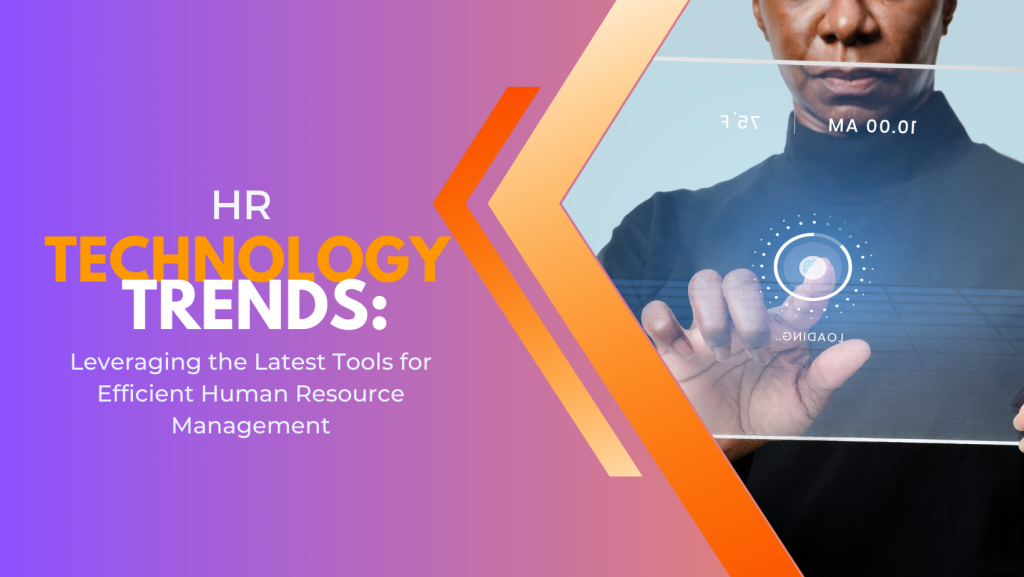
In the ever-evolving landscape of Human Resources, technology is playing a pivotal role in reshaping traditional processes and enhancing the efficiency of HR management. From recruitment to employee engagement and beyond, the latest HR technology trends are revolutionizing how organizations approach human resource management. In this blog post, we\’ll explore these trends and discuss how businesses can leverage cutting-edge tools for a more streamlined and effective HR function. The Rise of HR Technology: A Paradigm Shift The digital era has ushered in a transformative wave of HR technology, offering solutions that automate, optimize, and simplify various aspects of human resource management. These innovations are not just about convenience; they are strategic investments in the success of organizations. 1. AI-Powered Recruitment and Talent Acquisition Intelligent Candidate Matching Explore how AI algorithms can analyze resumes, predict candidate success, and match applicants with suitable job openings. This not only saves time for HR professionals but also enhances the quality of hires. Chatbots for Candidate Engagement Discuss the use of chatbots in engaging with candidates throughout the recruitment process. From answering queries to scheduling interviews, chatbots offer a personalized and efficient experience for potential hires. 2. Employee Engagement Platforms Real-Time Feedback Systems Explore the benefits of platforms that facilitate continuous feedback. Real-time feedback systems empower employees to provide and receive feedback, fostering a culture of improvement and growth. Social Recognition Tools Highlight how social recognition tools are revolutionizing employee appreciation. Employees can publicly acknowledge and appreciate their peers\’ contributions, boosting morale and creating a positive workplace culture. 3. HR Analytics and Predictive Insights Data-Driven Decision Making Discuss the role of HR analytics in making informed decisions. From predicting employee turnover to identifying areas for performance improvement, data-driven insights empower HR professionals to proactively address challenges. Predictive Analytics for Training and Development Showcase how predictive analytics can identify skill gaps and recommend personalized training and development plans for employees. This ensures that professional growth aligns with organizational goals. 4. Cloud-Based HR Systems Accessibility and Flexibility Explore the advantages of cloud-based HR systems, including easy accessibility from anywhere and enhanced flexibility. This is particularly beneficial for remote or distributed teams. Enhanced Security Measures Assure readers of the robust security measures in place with cloud-based HR systems, addressing concerns related to data protection and privacy. 5. Automation of Routine HR Tasks Streamlining Administrative Processes Discuss how automation tools can streamline repetitive administrative tasks, allowing HR professionals to focus on more strategic initiatives. This includes automating payroll processes, leave management, and document processing. Chat-Based HR Assistants Introduce the concept of chat-based HR assistants that can answer routine HR-related queries, freeing up valuable time for HR professionals to focus on more complex tasks. Embracing the Future of HR Management In conclusion, leveraging the latest HR technology trends is not just about keeping up with the times—it\’s about staying ahead and optimizing the human resource function for the benefit of both the organization and its employees. As businesses navigate the complexities of the modern workplace, embracing these technological innovations can lead to a more efficient, data-driven, and strategically aligned HR management approach. The future of HR is now, and it\’s digital.
Unlocking Employee Engagement: Innovative Approaches for a Productive Workforce

Employee engagement is the heartbeat of a thriving workplace. When employees are engaged, they are more likely to contribute their best efforts, feel a sense of purpose, and foster a positive workplace culture. In this blog post, we\’ll explore the key elements of employee engagement and delve into innovative approaches that can unlock the full potential of your workforce. Understanding the Essence of Employee Engagement Employee engagement goes beyond mere job satisfaction. It encompasses a deep emotional commitment and connection that employees feel toward their work, their team, and the organization as a whole. Explore the benefits of high employee engagement, including increased productivity, lower turnover rates, and a positive impact on overall business performance. Breaking Down the Factors Influencing Employee Engagement 1. Meaningful Work Discuss the importance of ensuring that employees find meaning and purpose in their roles. Explore ways to align individual tasks with the broader mission and values of the organization, creating a sense of fulfillment. 2. Effective Leadership Highlight the role of leadership in driving employee engagement. Discuss the impact of supportive leaders who provide clear direction, constructive feedback, and opportunities for growth and development. 3. Recognition and Appreciation Explore the power of recognizing and appreciating employees for their contributions. Showcase innovative recognition programs that go beyond traditional methods, such as peer-to-peer recognition platforms or personalized acknowledgment ceremonies. 4. Work-Life Balance Address the importance of maintaining a healthy work-life balance to prevent burnout. Showcase organizations that have implemented flexible work schedules, remote work options, or wellness programs to support employees in achieving balance. Innovative Approaches to Boosting Employee Engagement 1. Gamification of the Workplace Explore the concept of gamification as a tool for enhancing engagement. Discuss how incorporating game-like elements into tasks and projects can make work more enjoyable, foster friendly competition, and drive motivation. 2. Employee Well-Being Programs Showcase organizations that have prioritized employee well-being through innovative programs. This could include mental health initiatives, fitness challenges, or mindfulness programs designed to enhance overall employee wellness. 3. Technology for Continuous Feedback Discuss the role of technology in providing real-time feedback. Explore the benefits of continuous feedback platforms that facilitate ongoing communication between employees and managers, creating a culture of transparency and improvement. 4. Personalized Development Plans Highlight the impact of personalized development plans on employee engagement. Discuss how organizations can tailor learning and development opportunities to individual needs and career aspirations, showing a commitment to employee growth. Measuring and Sustaining Employee Engagement Explore metrics and tools for measuring employee engagement, such as surveys, feedback sessions, and performance indicators. Emphasize the importance of an ongoing commitment to employee engagement, as sustaining high levels requires continuous effort and adaptation. Conclusion: Empowering Your Workforce for Success In conclusion, unlocking employee engagement is a journey that requires a multifaceted approach. By understanding the factors influencing engagement, embracing innovative approaches, and committing to continuous improvement, organizations can create a workplace where employees are not just contributors but enthusiastic champions of the company\’s mission. Remember, engaged employees are your most valuable asset, propelling your organization toward sustained success and growth.
Demystifying Employee Relations: A Guide to Conflict Resolution and Workplace Harmony

In the dynamic landscape of the modern workplace, fostering positive employee relations is crucial for organizational success. Employee relations go beyond day-to-day interactions; they encompass the overall dynamics that shape the work environment. In this guide, we will demystify employee relations, exploring effective conflict resolution strategies and the path to achieving lasting workplace harmony. Understanding the Foundations of Employee Relations Before delving into conflict resolution, it\’s essential to understand the foundations of positive employee relations. Discuss the significance of open communication, trust-building, and the role of a supportive workplace culture in fostering healthy relationships among colleagues. Identifying Common Challenges in Employee Relations Explore the common challenges that organizations face in maintaining positive employee relations. This may include miscommunication, differing expectations, or conflicts arising from diverse perspectives. Acknowledge that these challenges are normal aspects of workplace dynamics and can be addressed constructively. The Role of HR in Navigating Employee Relations Highlight the pivotal role of Human Resources in managing employee relations. Discuss how HR professionals can act as mediators, providing a safe space for employees to voice concerns and facilitating constructive dialogues. Emphasize the importance of confidentiality and impartiality in HR\’s involvement. Conflict Resolution Strategies for a Harmonious Workplace 1. Open Communication Channels Stress the significance of transparent communication in preventing and resolving conflicts. Encourage regular check-ins and feedback sessions to create an environment where employees feel heard and valued. 2. Mediation and Conflict Resolution Training Introduce the concept of mediation and the benefits of conflict resolution training. Showcase success stories where mediation has played a pivotal role in resolving disputes and strengthening team dynamics. 3. Establishing Clear Policies and Procedures Discuss the importance of having clear policies and procedures in place for addressing conflicts. Highlight how these guidelines provide a structured approach to conflict resolution and set expectations for behavior in the workplace. 4. Building a Culture of Empathy and Understanding Explore strategies for cultivating empathy within the workplace. This includes promoting a culture of understanding diverse perspectives, encouraging active listening, and fostering a sense of empathy among team members. Case Studies: Successful Employee Relations in Action Share real-world case studies of organizations that have successfully navigated challenging employee relations situations. Discuss the strategies they implemented, the lessons learned, and the positive impact on workplace harmony. Conclusion: Nurturing a Culture of Workplace Harmony In conclusion, demystifying employee relations involves recognizing conflicts as opportunities for growth and transformation. By implementing proactive strategies, fostering open communication, and embracing a culture of empathy, organizations can navigate employee relations challenges and pave the way for lasting workplace harmony. Remember, a harmonious workplace is not devoid of conflicts but is characterized by the ability to resolve them constructively, ultimately contributing to a thriving and resilient organizational culture.
Adapting to the New Normal: Remote Work and Hybrid Models

The seismic shift brought on by the COVID-19 pandemic has reshaped the way we work, compelling businesses to reimagine their approaches to human resources. As organizations grapple with the challenges of a post-pandemic workplace, HR professionals play a pivotal role in steering the ship towards a future that embraces flexibility, resilience, and employee well-being. The rise of remote work is no longer a trend; it\’s a fundamental shift in the way we perceive the workplace. Remote work has not only become widely accepted but celebrated for the myriad benefits it brings to both employees and employers. Embracing Flexibility for Work-Life Integration One notable advantage is the newfound freedom for employees to achieve a more harmonious work-life balance. Remote work has blurred the lines between professional and personal life, offering employees the flexibility to tailor their schedules to accommodate personal commitments. This has translated into more quality time spent with family, fostering stronger bonds and contributing to overall well-being. Savings in Time and Commuting Costs The elimination of daily commutes has been a game-changer. Discuss how remote work has not only saved employees precious hours once spent navigating traffic but has also translated into tangible cost savings. From reduced fuel expenses to lower transportation costs, employees are experiencing a positive impact on their finances, further enhancing their job satisfaction. Increased Productivity and Employee Autonomy Contrary to initial concerns about remote work affecting productivity, many organizations have witnessed a surge in employee output. Explore how the autonomy offered by remote work empowers employees to structure their work environments in ways that suit their individual preferences, ultimately contributing to heightened job satisfaction and creativity. Challenges and Solutions in Remote Collaboration While remote work brings numerous benefits, it also presents challenges, particularly in terms of collaboration. Offer insights into strategies for overcoming these challenges, such as leveraging technology for virtual team-building activities, fostering a strong sense of teamwork, and maintaining open lines of communication. Conclusion: Navigating Forward Together In conclusion, the post-pandemic workplace presents both challenges and opportunities for HR professionals. By embracing flexibility, prioritizing employee well-being, fostering effective communication, promoting continuous learning, and championing diversity, HR can guide organizations towards a future where the workforce is not just adaptive but thriving in the face of change. As we navigate the complexities of the post-pandemic era, let us remember that the heart of any organization is its people. By implementing these HR strategies, we can create workplaces that are not just survivors of change but pioneers of a new, more resilient era.
Looking Into Covid-19 Policies

This article is drafted as a result of a recent ruling by the Labour Court on a Covid 19 related dismissal. It is common knowledge nowadays that companies have a Covid 19 policy as it has become apparent that we will live with this virus for a while. What is of great importance is the content of that policy, does it address what needs to be addressed? Does it clearly offer guidelines on how to go about avoiding or minimising the spread and impact of Covid 19 in the workplace? Does it state the channels to be followed should an individual contract the virus at the workplace or away from the workplace? The purpose of this article is to address and bring to light some crucial factors taken lightly yet they are of significant importance when it comes to Covid-19. The Covid 19 policy needs to address the issue of what an employee ought to do when they have contracted, suspect that they have contracted or have come into contact with someone who tested positive for Covid 19. The CCMA in making a ruling that was later challenged at the Labour Court considered the fact the company policy did not stipulate that an employee needs to report to the company that they took a Covid 19 test and share the results thereof. It is paramount that a Covid 19 policy addresses this as it can be a shortfall in how to handle a Covid 19 case within the organisation. A Covid 19 policy needs to address what steps an employee needs to take and how to take those steps in the organisation, there needs to be a clear channel to follow. The Covid 19 policy needs to clearly stipulated the sanction for breach of the policy according to severity of the breach. The Labour Court found that while it is significantly important to have a policy in place to address this pandemic in the workplace, it is also imperative to enforce the policy such that it is effective and adhered to by all. What’s the use of having a fancy policy that no one adheres to? If Covid 19 is to be defeated, then there needs to be enforcement of the policy in the workplace. The other significant ruling made by the court is that an employee can be dismissed for not adhering to the policy as this; depending on the nature of the breach can lead to gross misconduct and gross negligence which are both dismissible offences. The court set aside a ruling made by a CCMA commissioner that dismissal for gross misconduct and gross negligence was not substantively fair as the company had not complied with it’s own policy which stated a final written warning as a sanction for the offences. The Labour Court found that dismissal was substantively was fair as there was gross negligence and gross misconduct relating to breach of Covid 19 policy. In conclusion, I want to categorically state that a Covid 19 policy need not be taken lightly, it needs to be properly drafted and clearly articulate the necessary precautions that need to be taken into consideration in trying to fight Covid 19. The policy needs to articulate the steps to be taken should an employee disregard the provisions of the policy as well as clearly articulate the sanction to be applied on those who breach this policy, clearly stating the nature of the breach and the appropriate sanction to that breach. It is crucial that companies develop policies that compels the employee to disclose if they have tested for Covid 19 or not and the results as well, as this goes a long way in preventing the spread of the virus. The courts have recognised that failure to adhere to Covid 19 policies and rules within the company are offences of a serious nature and dismissal is justified, it should be treated like any other offence that an employee commits and faces the consequences. Organisations need to make sure they enforce this policy as they enforce any other policy for it to be effective and to really make an impact in the fight against Covid 19. Social distancing, sanitizing of hands and wearing masks should be strictly enforced and action be taken against those who do not comply with this.