
Digital Disciplinary Hearings: Best Practices for Remote Work Environments
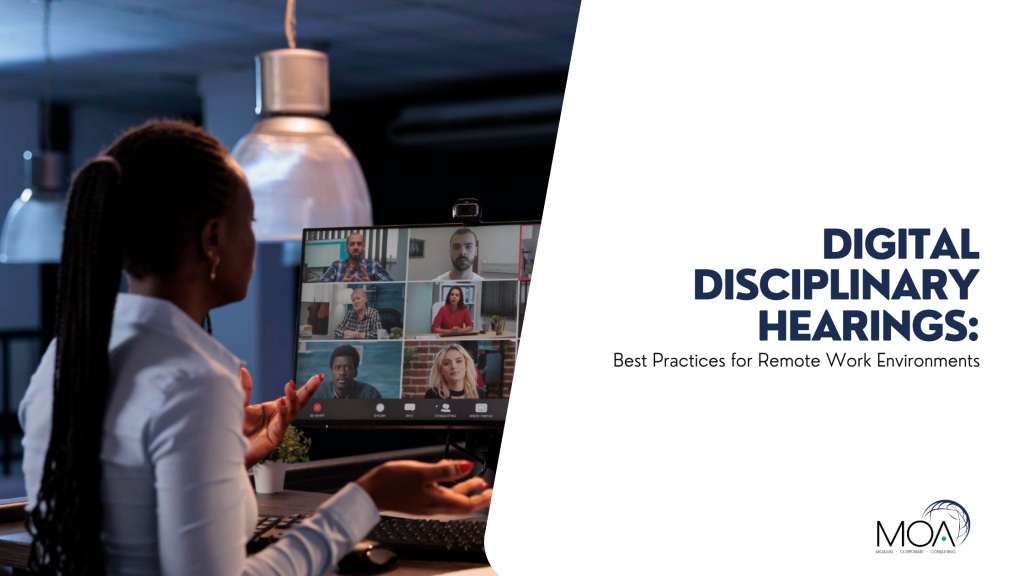
In the dynamic landscape of modern workplaces, the shift towards remote work has become more prevalent than ever. As organizations adapt to the challenges posed by the digital age, one critical aspect that requires careful consideration is disciplinary hearings. In this blog post, we will explore the best practices for conducting digital disciplinary hearings in remote work environments. 1. Establish Clear Policies In a remote work setting, it is imperative to have well-defined policies regarding conduct, performance expectations, and disciplinary procedures. Ensure that employees are aware of these policies and have easy access to them. Clearly outline the steps involved in the disciplinary process, emphasizing fairness and due process. 2. Utilize Secure and Accessible Technology: Choose a secure and user-friendly digital platform for disciplinary hearings. Video conferencing tools, such as Zoom or Microsoft Teams, offer convenient solutions for remote hearings. Ensure that both the management and employees have access to the necessary technology and provide guidance on its usage to avoid technical difficulties during hearings. 3. Schedule Thoughtfully: When scheduling digital disciplinary hearings, consider time zones, work hours, and potential disruptions. Aim for a time that accommodates all parties involved and allows for a focused and uninterrupted discussion. Clearly communicate the hearing schedule well in advance, providing everyone with ample time to prepare. 4. Prioritize Confidentiality and Privacy: Uphold the confidentiality of disciplinary hearings by emphasizing the importance of private spaces during remote proceedings. Encourage participants to join the meeting from a quiet and confidential location to maintain the privacy of the discussion. Remind all involved parties of the sensitivity of the matter and the need for discretion. 5. Provide Adequate Notice and Information: Ensure that employees are adequately informed about the disciplinary hearing, including the specific allegations and the purpose of the meeting. Offer ample notice to allow employees to prepare their defense, gather relevant documentation, and secure legal representation if necessary. Clarity and transparency are key to a fair and just process. 6. Facilitate Effective Communication: Foster open communication during digital disciplinary hearings by establishing ground rules for respectful interaction. Encourage all participants to use video to enhance non-verbal communication, and utilize features like screen sharing to present evidence or documentation. The goal is to replicate, as much as possible, the atmosphere of an in-person hearing. 7. Document Proceedings Thoroughly: Maintain detailed records of the digital disciplinary hearing, including a summary of discussions, decisions made, and any actions to be taken. Documenting the proceedings ensures transparency, helps in the event of an appeal, and provides a clear historical record for future reference. Conclusion As remote work becomes a standard practice, adapting disciplinary hearings to a digital format is essential. By implementing these best practices, organizations can navigate the challenges of remote environments while upholding fairness, due process, and maintaining a positive and respectful workplace culture. Digital disciplinary hearings, when conducted thoughtfully, can contribute to a more efficient and equitable resolution of workplace issues.
Counseling vs. Disciplinary Action: When and How to Choose

Maintaining a healthy and productive work environment requires effective management of employee behavior and performance. When issues arise, employers are often faced with the decision of whether to opt for counseling or take disciplinary action. In this blog post, we\’ll delve into the distinctions between counseling and disciplinary action, exploring when and how to choose each approach. Understanding Counseling in the Workplace Definition: Counseling in the workplace involves providing employees with guidance, support, and feedback to address performance or behavioral issues. It is a proactive and constructive approach aimed at helping employees understand and overcome challenges. When to Choose Counseling: How to Implement Counseling: Understanding Disciplinary Action in the Workplace Definition: Disciplinary action involves taking punitive measures in response to serious misconduct, repeated offenses, or significant performance issues. It is a reactive approach aimed at correcting behavior through consequences. When to Choose Disciplinary Action: How to Implement Disciplinary Action: Choosing the Right Approach: Consider the Severity: Assess Employee Attitude: Evaluate Organizational Culture: Conclusion: Striking the Right Balance In the delicate balance between counseling and disciplinary action, the key is to tailor your approach to the specific circumstances at hand. Recognizing when to offer support and guidance and when to enforce consequences is crucial for maintaining a fair, productive, and positive workplace environment. By understanding the nuances between counseling and disciplinary action, employers can navigate employee issues with confidence and foster a culture of continuous improvement and accountability.
Common Pitfalls in Disciplinary Hearings and How to Avoid Them
Disciplinary hearings are critical processes that organizations utilize to address alleged misconduct and maintain a fair and just working environment. However, several common pitfalls can compromise the effectiveness and fairness of these hearings. In this article, we will explore these pitfalls and provide insights into how they can be avoided. 1. Lack of Clear Policies and Procedures Pitfall: One of the most significant pitfalls is a lack of clear policies and procedures governing disciplinary hearings. Without well-defined guidelines, both employees and employers may find themselves navigating a complex process without clarity. Prevention: Establish and communicate comprehensive disciplinary policies that clearly outline the procedures for conducting hearings. Ensure that all employees are aware of these policies, and provide training to managers and HR personnel to consistently apply them. 2. Inadequate Notice of Charges Pitfall: Insufficient or unclear notice of charges can hinder the accused party\’s ability to prepare a defense. Vague or ambiguous charges may lead to misunderstandings and unfair outcomes. Prevention: Provide a detailed and specific notice of charges to the accused, clearly outlining the alleged misconduct. This enables the accused party to understand the allegations fully and prepare a robust defense. 3. Biased Decision-Making Body Pitfall: The composition of the decision-making body may be perceived as biased, leading to concerns about fairness and objectivity. Prevention: Ensure that the decision-making body is impartial and does not have a direct interest in the outcome of the disciplinary hearing. Consider involving individuals from different departments or, if applicable, external professionals to enhance objectivity. 4. Failure to Consider Mitigating Factors Pitfall: Disciplinary hearings that neglect to consider mitigating factors may result in disproportionately severe consequences for the accused. Prevention: Encourage the decision-making body to consider all relevant circumstances, including any mitigating factors that may have contributed to the alleged misconduct. This ensures a fair and proportionate outcome. 5. Inadequate Documentation Pitfall: Poor documentation of the disciplinary process can lead to disputes and challenges down the line. Incomplete records may make it difficult to defend the fairness of the hearing. Prevention: Thoroughly document all aspects of the disciplinary process, including the notice of charges, evidence presented, witness testimonies, and the decision. This documentation serves as a comprehensive record and can be essential in the event of an appeal. 6. Ignoring the Right to Representation Pitfall: Disregarding the right to representation can create perceptions of unfairness and compromise the accused party\’s ability to present an effective defense. Prevention: Clearly communicate and uphold the right to representation, as per company policy. Ensure that individuals facing disciplinary actions have the opportunity to choose suitable representatives, whether legal counsel, a colleague, a union representative, or an HR advisor. 7. Lack of Confidentiality Pitfall: Failing to maintain confidentiality can result in a hostile work environment and potential legal ramifications. Prevention: Emphasize the importance of confidentiality throughout the disciplinary process. Limit access to information to those directly involved in the proceedings and communicate the organization\’s commitment to maintaining privacy. By identifying and proactively addressing these common pitfalls, organizations can enhance the fairness, transparency, and effectiveness of their disciplinary hearings. A well-structured and consistently applied disciplinary process contributes to a healthy workplace culture and ensures that individuals are held accountable in a fair and just manner.
Understanding the Legal Landscape: Key Aspects of Disciplinary Hearings

Disciplinary hearings play a crucial role in maintaining order and accountability within various organizations. Whether in the corporate world, educational institutions, or professional associations, these hearings serve as a formal process to address alleged misconduct and ensure fair and just outcomes. In this exploration of the legal landscape surrounding disciplinary hearings, we will delve into key aspects that participants, employers, and legal professionals should understand. 1. Legal Framework and Due Process Disciplinary hearings are governed by a legal framework that varies based on jurisdiction and the nature of the organization. Central to this process is the concept of due process, ensuring that individuals facing allegations have a fair and impartial opportunity to present their case. This includes the right to be informed of the charges, the opportunity to respond, and the right to legal representation. 2. Notice and Charges The initiation of a disciplinary hearing typically involves the accused party receiving written notice of the charges against them. The notice should be clear and specific, outlining the alleged misconduct and the potential consequences. A thorough understanding of the charges is fundamental for the accused to prepare a robust defense. 3. Right to Representation A fundamental aspect of a fair disciplinary hearing is the right of the accused to be represented. Depending on company policy, individuals facing allegations may have the right to choose various forms of representation, such as a colleague or a union representative. Company policies often outline the acceptable forms of representation to ensure a fair and balanced hearing process. It is not common to have legal representation in a disciplinary hearing however this particular point is led by the company\’s policy. If the company policy allows for legal representation it is allowed however the opposite applies. The goal is to afford individuals facing disciplinary actions the opportunity to present their case effectively and ensure that their rights are protected throughout the hearing process. 4. Evidence and Witnesses Disciplinary hearings heavily rely on evidence to establish the facts surrounding the alleged misconduct. Both the accuser and the accused have the right to present evidence and call witnesses. The credibility and relevance of evidence play a critical role in determining the outcome of the hearing. 5. Decision-Making Body The composition of the decision-making body varies but often includes individuals who are impartial and not directly involved in the case. This body, sometimes referred to as a disciplinary panel, carefully reviews the evidence, listens to testimonies, and ultimately makes a decision regarding the guilt or innocence of the accused. Understanding the role and authority of this body is essential for all parties involved. 6. Appeal Process In the event of an unfavorable outcome, many legal systems provide an avenue for appeal. Understanding the grounds and procedures for appeal is crucial for the accused party, as well as for the organization conducting the hearing. The appeal process serves as a safeguard against potential miscarriages of justice. 7. Confidentiality and Privacy Maintaining confidentiality and respecting the privacy of all parties involved is paramount. Disciplinary hearings often involve sensitive information, and organizations must take steps to protect the privacy of individuals while ensuring transparency and accountability in the process. In conclusion, disciplinary hearings occupy a significant space within the legal landscape, serving as a mechanism for addressing alleged misconduct in a fair and just manner. For all parties involved, a clear understanding of the legal framework, rights, and procedures is crucial. By upholding principles of due process, transparency, and fairness, disciplinary hearings contribute to a culture of accountability and integrity within organizations.
Employee Discipline: Strategies for Effective Communication during Hearings
Introduction Employee discipline is an essential aspect of maintaining a healthy and productive workplace. However, navigating the disciplinary process, especially during hearings, requires careful and effective communication. In this blog post, we will explore strategies to ensure that communication during employee discipline hearings is clear, constructive, and fosters a positive resolution. Section 1: Establishing a Respectful Environment 1. Set The Tone: Begin the hearing by emphasizing the importance of open communication and maintaining a respectful environment. This helps create a space where both parties feel comfortable expressing their perspectives. 2. Active Listening Encourage active listening from all parties involved. This means giving full attention, paraphrasing for understanding, and asking clarifying questions. Active listening sets the foundation for a fair and considerate hearing. Section 2: Clear Communication of Expectations 1. Review Policies and Procedures Clearly communicate the policies and procedures that led to the disciplinary hearing. Ensure that both the employee and the management team have a mutual understanding of the expectations and standards in question. 2. Provide Specific Examples Support your case with specific examples of behavior or performance concerns. This avoids ambiguity and helps the employee understand the reasons behind the disciplinary action. Section 3: Collaborative Problem-Solving 1. Encourage Employee Input Allow the employee to share their perspective on the issues discussed. Encourage them to propose solutions or suggest ways to improve their performance or behavior. This collaborative approach fosters a sense of involvement and responsibility. 2. Highlight Improvement Opportunities Instead of solely focusing on the negative aspects, highlight opportunities for improvement. Discuss training programs, mentorship, or additional resources that can contribute to the employee\’s professional growth. Section 4: Documenting the Discussion 1. Detailed Records Keep detailed records of the hearing, including key points discussed, agreements made, and any action plans decided upon. Comprehensive documentation is essential for future reference and can serve as a reference point for further actions. 2. Follow-Up Plan Develop a follow-up plan outlining the steps the employee needs to take to address the concerns discussed during the hearing. Clearly communicate the expectations and timelines for improvement. Conclusion Effective communication during employee discipline hearings is crucial for fostering understanding, cooperation, and a positive workplace culture. By establishing a respectful environment, clearly communicating expectations, embracing collaborative problem-solving, and maintaining detailed records, organizations can navigate disciplinary processes with fairness and transparency. Ultimately, these strategies contribute to a workplace where employees feel heard, valued, and motivated to contribute to their fullest potential.
Navigating Disciplinary Hearings: A Comprehensive Guide for Employers

Introduction: In the complex terrain of employment management, disciplinary hearings play a pivotal role in maintaining a fair and equitable workplace. This comprehensive guide is designed to be an indispensable resource for employers navigating the intricate process of disciplinary hearings. From understanding legal considerations to fostering effective communication, we cover it all. Key Sections: 1. The Foundation: Understanding Disciplinary Procedures 2. Preparation is Key: Before the Disciplinary Hearing 3. Effective Communication: Conducting the Disciplinary Hearing 4. Legal Considerations: Protecting Employee Rights 5. Documentation Mastery: Recording the Disciplinary Process 6. Decision-Making: After the Disciplinary Hearing 7. Post-Hearing Support: Employee Rehabilitation and Growth Conclusion: Navigating disciplinary hearings requires a careful blend of legal knowledge, effective communication, and a commitment to fairness. This comprehensive guide equips employers with the tools needed to conduct disciplinary hearings that are not just compliant but contribute to a positive workplace culture. By following these guidelines, employers can foster a transparent, respectful, and legally sound disciplinary process that serves the best interests of both the organization and its employees.
Mastering the Art: Recruitment Strategies for Attracting Top Talent

In the dynamic landscape of today\’s job market, attracting top talent has become a competitive endeavor. The quest for skilled and innovative professionals requires organizations to adopt strategic and forward-thinking recruitment approaches. In this article, we explore effective recruitment strategies designed to captivate the attention of top-tier candidates and elevate your organization to new heights. 1. Crafting a Compelling Employer Brand: An organization\’s employer brand is its identity in the eyes of potential candidates. Clearly articulate your company\’s values, culture, and mission. Showcase success stories of existing employees and emphasize what sets your workplace apart. 2. Leveraging Social Media: Harness the power of social media platforms to amplify your recruitment efforts. Engage with potential candidates on platforms like LinkedIn, Twitter, and Instagram. Share company culture, job openings, and industry insights to establish a strong online presence. 3. Building a Robust Employee Referral Program: Your current employees can be your most valuable recruiting assets. Develop a compelling employee referral program that incentivizes your team to refer top-tier candidates. This not only attracts talent but also fosters a sense of camaraderie within your workforce. 4. Creating Engaging Job Descriptions: Craft job descriptions that go beyond a list of responsibilities. Highlight the impact of the role within the organization, opportunities for growth, and the unique aspects of your workplace. Use language that resonates with your target audience. 5. Utilizing Recruitment Marketing: Implement recruitment marketing strategies to proactively attract talent. This involves using targeted advertising, content marketing, and other digital techniques to build and nurture relationships with potential candidates even before they apply. 6. Embracing Diversity and Inclusion: Prioritize diversity and inclusion in your recruitment efforts. Showcase a commitment to a diverse workplace in your job postings, and actively seek candidates from various backgrounds. A diverse team brings varied perspectives and fosters innovation. 7. Streamlining the Application Process: Simplify and streamline your application process. Top talent often has multiple opportunities on their radar, and a cumbersome application process can be a deterrent. Make it easy for candidates to apply and stay engaged throughout the hiring process. 8. Showcasing Professional Development Opportunities: Talented individuals are not just seeking a job; they\’re looking for a career. Highlight professional development opportunities, training programs, and career advancement paths within your organization. This signals a long-term investment in the growth of your employees. 9. Participating in Industry Events and Networking: Attend relevant industry events, conferences, and networking functions. Establishing a presence in your industry allows you to connect with potential candidates, showcase your company culture, and stay informed about industry trends. 10. Offering Competitive Compensation and Benefits: While it may seem obvious, competitive compensation and attractive benefits packages remain critical factors in attracting top talent. Ensure your offerings align with industry standards and reflect the value you place on your employees. Conclusion: In the competitive race for top talent, implementing a combination of these strategies will position your organization as an employer of choice. By fostering a compelling employer brand, leveraging digital tools, and prioritizing the well-being and growth of your employees, you\’ll not only attract top-tier candidates but also cultivate a workplace where they thrive. Remember, recruiting is not just about filling positions; it\’s about building a team that propels your organization toward success.
Nurturing Minds: Mental Health in the Workplace

In the fast-paced and demanding landscape of today\’s workplaces, mental health has emerged as a critical aspect of employee well-being. As organizations strive to create environments that foster productivity and innovation, it\’s becoming increasingly evident that supporting mental health is not just a humane practice but a strategic imperative. In this blog post, we explore the importance of mental health in the workplace and delve into effective strategies for providing meaningful support. The Growing Imperative The World Health Organization (WHO) aptly defines mental health as not merely the absence of illness but a state of well-being in which every individual can realize their potential. Recognizing this, forward-thinking companies are acknowledging the impact of mental health on employee performance, engagement, and overall satisfaction. Understanding the Challenges Before delving into solutions, it\’s crucial to understand the challenges employees face. Work-related stress, burnout, and the blurring lines between personal and professional life are among the factors contributing to mental health issues. Acknowledging these challenges is the first step toward fostering a supportive workplace culture. Strategies for Mental Health Support 1. Open Communication Channels: Establishing open lines of communication is fundamental. Encourage employees to express their feelings and concerns without fear of judgment. Regular check-ins, both formal and informal, can create a culture of openness. 2. Educational Initiatives: Promote mental health awareness through workshops, webinars, or training sessions. By educating employees about the signs and symptoms of mental health issues, you empower them to recognize when they or their colleagues may need support. 3. Flexible Work Arrangements: Recognize the diverse needs of your workforce by offering flexible work arrangements. Whether it\’s remote work options, flexible hours, or compressed workweeks, these measures can contribute to a better work-life balance. 4. Mental Health Resources: Provide access to mental health resources, such as counseling services, employee assistance programs (EAPs), and online mental health platforms. Making these resources easily accessible communicates a commitment to employee well-being. 5. Normalize Breaks and Vacations: Encourage employees to take breaks and utilize their vacation time. Promoting a healthy work-life balance reduces the risk of burnout and contributes to long-term mental well-being. 6. Leadership Training: Train leaders and managers to recognize signs of mental health issues and equip them with the skills to address these concerns compassionately. Leadership support is pivotal in creating a culture of trust and understanding. Conclusion Investing in mental health support is not just a matter of altruism; it\’s a strategic investment in the success and sustainability of your organization. A mentally healthy workforce is more engaged, innovative, and resilient—a workforce ready to tackle the challenges of today\’s dynamic business environment. In conclusion, by implementing these strategies, organizations can contribute to a workplace culture that prioritizes mental health, fostering an environment where every employee feels supported, valued, and empowered to thrive both personally and professionally.
Safeguarding Dignity: ER Strategies for Preventing Workplace Harassment
Workplace harassment is a serious issue that can have profound effects on both employees and the overall organizational culture. In this blog post, we explore effective Employee Relations (ER) strategies to prevent workplace harassment and create a safer, more inclusive environment for all. By understanding the importance of proactive measures and fostering a culture of respect, organizations can build a workplace where every employee feels valued and protected. Understanding Workplace Harassment 1. Definition and Recognition: Begin by clearly defining what constitutes harassment in the workplace. Educate employees about the various forms of harassment, including verbal, physical, and online, and empower them to recognize and report such behavior. 2. Cultural Awareness: Recognize that workplace harassment can manifest in different cultural contexts. ER professionals should be culturally competent, understanding nuances to effectively address and prevent harassment in a diverse workforce. Preventive ER Strategies 1. Comprehensive Policies: Establish clear and comprehensive anti-harassment policies. Ensure that these policies are easily accessible to all employees and cover various aspects, including reporting procedures, investigations, and consequences for violations. 2. Education and Training: Conduct regular training sessions to educate employees and leaders about what constitutes harassment, how to prevent it, and the importance of fostering a respectful workplace culture. Training should be ongoing to keep awareness high. 3. Empower Bystanders: Encourage employees to be active bystanders. Empower them to intervene when witnessing inappropriate behavior and provide guidance on reporting mechanisms. Bystanders play a crucial role in creating a culture that rejects harassment. 4. Transparent Reporting Channels: Establish clear and confidential reporting channels for employees who experience or witness harassment. Ensure that employees feel safe and supported when coming forward with their concerns. 5. Thorough Investigations: When a complaint is lodged, conduct thorough and impartial investigations. ER professionals should be well-trained in conducting investigations to ensure a fair and objective process. Cultivating a Respectful Culture 1. Leadership Commitment: Leadership sets the tone for the organizational culture. Demonstrate a commitment to a harassment-free workplace from the top down. Leaders should model appropriate behavior and actively support ER initiatives. 2. Inclusive Practices: Promote inclusivity and diversity within the organization. An inclusive workplace culture fosters mutual respect and reduces the likelihood of harassment. Celebrate diversity and create an environment where everyone feels valued. 3. Regular Audits and Assessments: Conduct regular audits to assess the effectiveness of anti-harassment policies and procedures. Solicit feedback from employees to identify areas for improvement and ensure that preventive measures remain robust. Conclusion: Building a Culture of Respect Preventing workplace harassment requires a proactive and holistic approach from Employee Relations professionals. By implementing comprehensive policies, fostering a culture of respect, and continuously educating employees, organizations can create an environment where every individual feels safe, valued, and free from harassment. In the pursuit of a harassment-free workplace, ER strategies become the cornerstone for cultivating a culture that upholds the dignity and well-being of every employee.
Unveiling Unionization Trends in South Africa: A Guide for Employers
In the ever-evolving landscape of industrial relations in South Africa, the dynamics of unionization play a pivotal role in shaping the employer-employee relationship. In this blog post, we delve into the current unionization trends in South Africa, shedding light on what employers need to know to navigate this landscape successfully. Understanding these trends is key to fostering positive industrial relations and ensuring a collaborative and informed approach to workforce dynamics. The Landscape of Unionization in South Africa 1. Historical Context: South Africa has a rich history of labor activism, and unions have played a crucial role in advocating for workers\’ rights. The legacy of the labor movement has left a lasting impact on the country\’s industrial relations landscape. 2. Sector-Specific Trends: Unionization trends in South Africa can vary across different sectors. Understanding the unique characteristics of unionization in specific industries is essential for employers to tailor their approaches effectively. Current Unionization Trends 1. Membership Numbers: While unionization rates in South Africa have seen fluctuations over the years, unions remain influential. Understanding the current membership numbers and trends provides employers with insights into the level of representation in their respective industries. 2. Emerging Worker Priorities: Recent trends indicate a growing emphasis on issues such as fair wages, workplace safety, and job security. Employers need to stay attuned to these evolving priorities to engage effectively with their workforce. What Employers Need to Know 1. Legal Framework: Understanding the legal framework surrounding unionization is crucial for employers. Familiarize yourself with labor laws, collective bargaining regulations, and the rights of both employers and employees in the context of union activities. 2. Proactive Employee Engagement: Proactively engaging with employees and addressing their concerns can be a powerful strategy. An open dialogue can help build trust and reduce the likelihood of unionization efforts driven by dissatisfaction. 3. Collective Bargaining: For employers, engaging in fair and transparent collective bargaining processes is key. This involves negotiating in good faith, understanding employee needs, and working towards mutually beneficial agreements. 4. Conflict Resolution Strategies: Being prepared for potential conflicts and having effective conflict resolution strategies in place is crucial. This can involve both internal mechanisms and, when necessary, external mediation to address disputes. Conclusion: Navigating Unionization Dynamics In navigating the unionization landscape in South Africa, employers must stay informed, adaptable, and proactive. By understanding the historical context, current trends, and legal considerations, employers can foster positive industrial relations and contribute to a harmonious workplace environment. The key lies in building constructive relationships with employees, addressing their concerns, and working collaboratively towards a shared vision of a thriving and equitable workplace. As South Africa\’s workforce continues to evolve, employers who navigate unionization trends with insight and diligence will be well-positioned for success in the ever-changing industrial landscape.