
The Essential Role of Industrial Relations Consultants in Conflict Resolutions within Organizations

In the dynamic landscape of modern workplaces, conflicts are an inevitable part of organizational life. Whether stemming from disputes over wages, working conditions, or interpersonal differences, these conflicts can escalate quickly if not managed effectively. This is where industrial relations consultants play a crucial role. Their expertise in navigating complex employment issues and mediating disputes is invaluable in maintaining harmony and productivity within organizations. Understanding Industrial Relations Consultants Industrial relations consultants are professionals who specialize in managing relationships between employers and employees. They possess deep knowledge of employment laws, collective bargaining agreements, and organizational dynamics. Their primary objective is to foster a collaborative and fair working environment by preventing and resolving conflicts before they disrupt operations. Navigating Complex Employment Issues One of the primary responsibilities of industrial relations consultants is to provide guidance on compliance with labor laws and regulations. They help organizations interpret and implement policies that promote fairness and equality in the workplace. By staying abreast of legal developments and industry standards, consultants ensure that employers and employees alike are aware of their rights and responsibilities. Mediating Conflicts Conflict resolution is perhaps the most critical function of industrial relations consultants. They are skilled in facilitating dialogue between conflicting parties, identifying underlying issues, and finding mutually acceptable solutions. This mediation process not only resolves immediate disputes but also builds trust and improves communication across the organization. Enhancing Organizational Performance By mitigating conflicts and promoting positive employee relations, industrial relations consultants contribute to enhanced organizational performance. Reduced turnover, increased employee engagement, and improved morale are just some of the benefits of effective conflict resolution and proactive management of industrial relations issues. The Future of Industrial Relations Consulting As workplaces continue to evolve, the role of industrial relations consultants will become even more critical. They will need to adapt to technological advancements, changing workforce demographics, and new forms of employment relationships. By embracing innovation and continuous learning, consultants can remain at the forefront of promoting healthy and productive workplaces. Conclusion In conclusion, industrial relations consultants play an indispensable role in modern organizations by ensuring fair treatment, fostering constructive relationships, and resolving conflicts promptly and effectively. Their expertise not only helps mitigate legal risks but also enhances employee satisfaction and organizational performance. As businesses strive for sustainability and growth, investing in skilled industrial relations consultants is a strategic decision that pays dividends in maintaining a harmonious and productive work environment.
The Growing Trend of Casual Labour: A Modern Workforce Phenomenon

In the landscape of contemporary employment, the concept of traditional full-time work is undergoing a significant transformation. With the advent of technology, shifting economic dynamics, and evolving societal norms, there\’s a noticeable surge in the prevalence of casual labour across various industries. This trend is not only reshaping the way businesses operate but also redefining the notion of job security and stability for many individuals. Casual labour, often characterized by temporary or part-time engagements, offers both employers and workers a degree of flexibility that was previously uncommon in the conventional nine-to-five model. From gig economy platforms to short-term contracts, the spectrum of casual work arrangements is diverse, catering to different skill sets and preferences. One of the driving forces behind the rise of casual labour is the rapid advancement of technology. Digital platforms and mobile applications have democratized access to work opportunities, enabling individuals to connect with potential employers or clients with unprecedented ease. Whether it\’s freelance writing, graphic design, or ride-sharing services, technology has empowered people to monetize their skills on their own terms. Moreover, the gig economy has gained momentum, providing a plethora of on-demand services ranging from food delivery to home maintenance. For many, these gigs serve as a supplementary source of income or a means to bridge employment gaps. However, for others, particularly those in marginalized communities, casual labour represents a primary livelihood, albeit one characterized by precariousness and instability. The appeal of casual labour extends beyond flexibility; it also aligns with shifting attitudes towards work-life balance. As more individuals prioritize autonomy and fulfillment over traditional career paths, non-traditional work arrangements become increasingly attractive. Remote work, freelance opportunities, and project-based engagements offer the freedom to design one\’s schedule and pursue personal interests outside the confines of a traditional office environment. Nevertheless, the proliferation of casual labour is not without its challenges. While flexibility is a boon for many, it can also entail income volatility and limited access to benefits such as healthcare, retirement plans, and job security. The absence of regulatory frameworks tailored to protect the rights of casual workers further exacerbates these concerns, raising questions about labour rights and social welfare in an era dominated by non-standard employment. Additionally, the rise of casual labour underscores broader socioeconomic shifts, including the erosion of traditional employment norms and the widening gap between the privileged and the marginalized. As the gig economy expands, disparities in income, access to opportunities, and social protection become more pronounced, highlighting the need for policy interventions and collective action to ensure a fair and inclusive labour market. In conclusion, the ascent of casual labour signifies a fundamental restructuring of the contemporary workforce. While offering newfound autonomy and flexibility, it also presents challenges related to job security, income stability, and social protection. As we navigate this evolving landscape, it\’s imperative to strike a balance between innovation and equity, ensuring that the benefits of casual labour are shared equitably while addressing the vulnerabilities inherent in non-standard work arrangements. Only then can we harness the full potential of this modern workforce phenomenon while safeguarding the rights and well-being of all workers.
Upholding Fairness and Impartiality: Ensuring Integrity in Disciplinary Hearings

In the realm of human resources, disciplinary hearings are pivotal moments where fairness, integrity, and impartiality must reign supreme. These proceedings are not just about addressing workplace misconduct but also about upholding the principles of justice and due process. In this blog post, we\’ll explore the importance of maintaining a fair and impartial process in disciplinary hearings and offer guidance on how HR professionals can ensure integrity every step of the way. Why Fairness and Impartiality Matter: Disciplinary hearings represent a critical juncture in the employment relationship, where allegations of misconduct are investigated, and decisions are made that can have significant implications for both employees and organizations. A fair and impartial process is essential for several reasons: Key Principles for Upholding Fairness and Impartiality: Best Practices for Conducting Fair and Impartial Disciplinary Hearings: Conclusion: Upholding fairness and impartiality in disciplinary hearings is not just a legal requirement but also a moral imperative. By adhering to principles of transparency, neutrality, due process, and evidence-based decision-making, HR professionals can ensure that disciplinary proceedings are conducted with integrity and respect for the rights of all parties involved. Ultimately, a fair and impartial process strengthens trust, fosters accountability, and promotes a culture of fairness and justice in the workplace.
Safeguarding Integrity: Maintaining Confidentiality and Privacy in Disciplinary Hearings

In the realm of human resources, disciplinary hearings are crucial proceedings designed to address workplace misconduct while upholding fairness and due process. Central to the integrity of these hearings is the preservation of confidentiality and privacy, ensuring that all parties involved are treated with respect and dignity. In this blog post, we\’ll explore the significance of maintaining confidentiality and privacy in disciplinary hearings and offer guidance on how HR professionals can uphold these principles effectively. Why Confidentiality and Privacy Matter: Confidentiality and privacy are foundational principles that underpin the trust and credibility of disciplinary hearings. By safeguarding sensitive information and respecting the privacy rights of employees, HR professionals demonstrate their commitment to fairness, impartiality, and procedural integrity. Key Considerations for Maintaining Confidentiality and Privacy: Best Practices for Conducting Confidential Disciplinary Hearings: Conclusion: In conclusion, maintaining confidentiality and privacy in disciplinary hearings is paramount for upholding the integrity and legitimacy of the process. By adhering to best practices and respecting the rights and privacy of all parties involved, HR professionals can ensure that disciplinary hearings are conducted with fairness, transparency, and respect for the dignity of every individual. Ultimately, safeguarding confidentiality and privacy reinforces trust in the disciplinary process and contributes to a culture of accountability and fairness in the workplace.
Conducting Effective Workplace Investigations: A Step-by-Step Guide

Introduction Workplace investigations play a crucial role in maintaining a safe, fair, and productive work environment. However, conducting investigations can be a challenging task that requires careful planning, attention to detail, and adherence to best practices. In this blog post, we\’ll explore the key steps involved in conducting effective workplace investigations and provide tips for HR professionals to navigate these situations successfully. Preparation and Planning: Interviewing Witnesses and Parties Involved: Analyzing Evidence and Drawing Conclusions: Maintaining Confidentiality and Privacy: Communication and Follow-Up: Conclusion: Conducting effective workplace investigations requires a careful balance of diligence, fairness, and professionalism. By following the steps outlined in this blog post and adhering to best practices, HR professionals can conduct thorough and impartial investigations that promote accountability, fairness, and trust in the workplace.
Demystifying Company Policies: Your Roadmap to Success in the Workplace

Introduction Company policies – they\’re like the rules of the road in the workplace, guiding employees on how to navigate various situations and ensuring a harmonious and productive environment. However, for many employees, deciphering these policies can feel like trying to read a map in a foreign language. In this blog post, we\’ll demystify company policies and show you how understanding and adhering to them can be your roadmap to success in the workplace. Understanding Company Policies First things first, what exactly are company policies? Simply put, they\’re a set of guidelines and rules established by an organization to govern employee behavior, expectations, and procedures. These policies cover a wide range of areas, including but not limited to: Navigating Company Policies Now that we have a better understanding of what company policies entail, let\’s discuss how to navigate them effectively: Benefits Of Understanding Company Policies Understanding and adhering to company policies offer numerous benefits for both employees and the organization as a whole: Conclusion Company policies may seem daunting at first glance, but they\’re designed to support employees and foster a productive and respectful workplace environment. By taking the time to understand and adhere to these policies, you can navigate your career path with confidence and success. So, embrace company policies as your roadmap to success in the workplace, and let them guide you toward your professional goals.
Empowering Employees: How to Advocate for Change in Workplace Policies

In today\’s dynamic work environment, the need for employee empowerment has never been greater. Empowered employees are not only more engaged and satisfied but also play a pivotal role in driving positive change within organizations. One area where this empowerment can truly make a difference is in advocating for changes in workplace policies. Whether it\’s addressing issues related to diversity and inclusion, work-life balance, or health and safety, employees have the potential to be powerful catalysts for meaningful transformation. Here are some key strategies on how employees can effectively advocate for change in workplace policies: Educate Yourself Before advocating for any policy changes, it\’s essential to thoroughly understand the existing policies, their implications, and any potential areas for improvement. Research industry standards, best practices, and relevant laws or regulations to strengthen your argument. Build a Coalition Advocating for change is often more effective when done collectively. Seek out like-minded colleagues who share your concerns and are willing to work together towards a common goal. A coalition of voices carries more weight and increases the likelihood of success. Gather Data and Evidence Numbers speak volumes. Collect data, statistics, and real-life examples that support the need for policy changes. Whether it\’s employee surveys, benchmarking data, or case studies from other organizations, having concrete evidence strengthens your case and makes it harder to ignore. Identify Key Stakeholders Understand who holds the power to enact policy changes within your organization. This could be senior leadership, HR personnel, or relevant department heads. Tailor your advocacy efforts to target these stakeholders directly and engage them in constructive dialogue. Craft a Compelling Message Clearly articulate the reasons behind your proposed policy changes and the potential benefits for both employees and the organization as a whole. Use persuasive language and storytelling techniques to evoke empathy and drive home the importance of your cause. Propose Solutions Instead of just pointing out problems, be proactive in offering viable solutions. This demonstrates initiative and shows that you\’ve thought critically about how to address the issues at hand. Present alternative policies or policy amendments that align with the organization\’s goals and values. Utilize Existing Channels Many organizations have formal processes in place for submitting policy change proposals or providing feedback. Take advantage of these channels to ensure your advocacy efforts are heard by the appropriate decision-makers. Whether it\’s through suggestion boxes, employee forums, or designated committees, make your voice heard through official channels. Be Persistent and Patient Change takes time, and advocacy efforts may not yield immediate results. Stay committed to your cause, even in the face of setbacks or resistance. Consistent advocacy, coupled with patience and resilience, can eventually lead to meaningful policy changes. Celebrate Wins and Acknowledge Progress When policy changes are implemented as a result of advocacy efforts, celebrate these victories as a team. Recognize the impact of collective action and acknowledge the progress made towards creating a more inclusive and supportive work environment. Continue to Monitor and Evaluate Advocacy doesn\’t end with policy implementation. Stay vigilant and monitor the effectiveness of the new policies over time. Gather feedback from employees, track key metrics, and be prepared to iterate on the policies as needed to ensure they remain relevant and impactful. In conclusion, empowering employees to advocate for change in workplace policies is not only beneficial for individual employees but also for the organization as a whole. By following these strategies and working together collaboratively, employees can drive positive change, foster a culture of transparency and inclusivity, and ultimately contribute to a healthier, more productive work environment.
Navigating the Workplace: A Guide to Understanding Employer Policies and Procedures
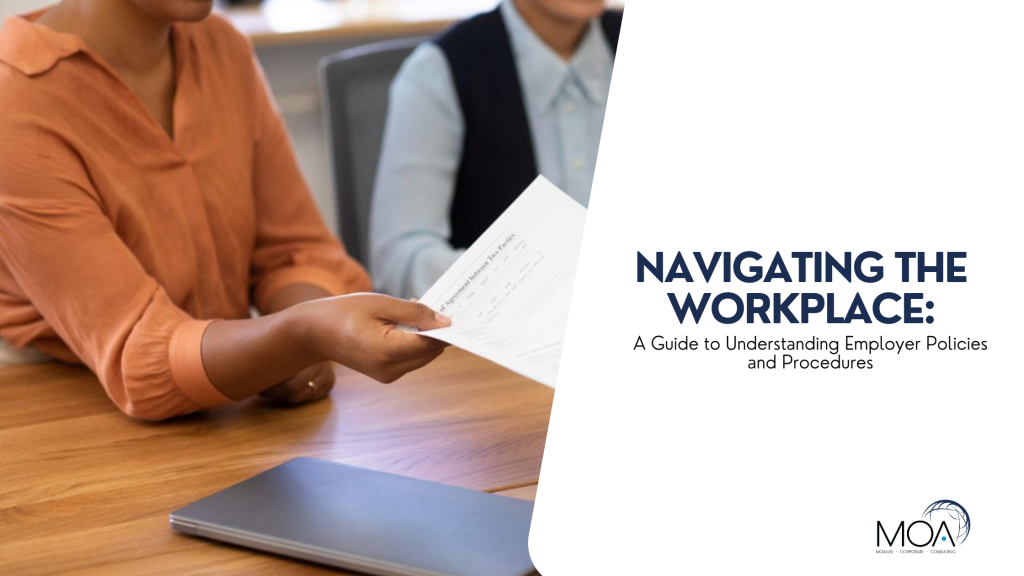
Welcome to our comprehensive guide on understanding employer policies and procedures. In today\’s fast-paced work environment, it\’s essential for employees to have a solid grasp of the various policies and procedures that govern their workplace. By understanding and adhering to these guidelines, employees can contribute to a positive and productive work culture while also protecting their rights and well-being. Let\’s dive into the key aspects of navigating the workplace effectively: Know Where to Look: The first step in understanding employer policies and procedures is knowing where to find them. Most companies have employee handbooks or manuals that outline all relevant policies and procedures. These documents are typically available online or in hard copy form. Take the time to familiarize yourself with these resources and bookmark them for easy reference. Code of Conduct: One of the most important policies every employee should be familiar with is the company\’s code of conduct. This document outlines the expected standards of behavior for all employees, including guidelines on professionalism, ethics, and interpersonal interactions. By adhering to the code of conduct, employees can contribute to a positive work environment and maintain the company\’s reputation. Attendance and Leave Policies: Understanding attendance and leave policies is crucial for managing your time effectively and maintaining a healthy work-life balance. Be sure to familiarize yourself with policies related to sick leave, vacation time, and other types of leave offered by your employer. Additionally, know the procedures for requesting time off and communicating with your supervisor or HR department. Communication Protocols: Effective communication is key to success in any workplace. Familiarize yourself with the company\’s communication protocols, including preferred channels of communication, email etiquette, and procedures for escalating urgent matters. By following these protocols, you can ensure that important information is conveyed efficiently and accurately. Professional Development Opportunities: Many employers offer opportunities for professional development, such as training programs, workshops, and tuition reimbursement. Take advantage of these opportunities to enhance your skills, expand your knowledge, and advance your career within the company. Be sure to familiarize yourself with the procedures for accessing these resources and obtaining approval from your supervisor or HR department. Seek Clarification When Needed: If you ever have questions or concerns about any aspect of your employer\’s policies and procedures, don\’t hesitate to seek clarification. Reach out to your supervisor, HR representative, or another designated point of contact for assistance. It\’s better to ask for clarification upfront than to inadvertently violate a policy or procedure due to misunderstanding. In conclusion, navigating the workplace involves understanding and adhering to a variety of employer policies and procedures. By familiarizing yourself with these guidelines and seeking clarification when needed, you can contribute to a positive and productive work environment while also protecting your rights and well-being. Remember, effective communication and a proactive approach are key to success in any workplace.
Mastering the Art of Conducting a Successful Employee Relations Investigation
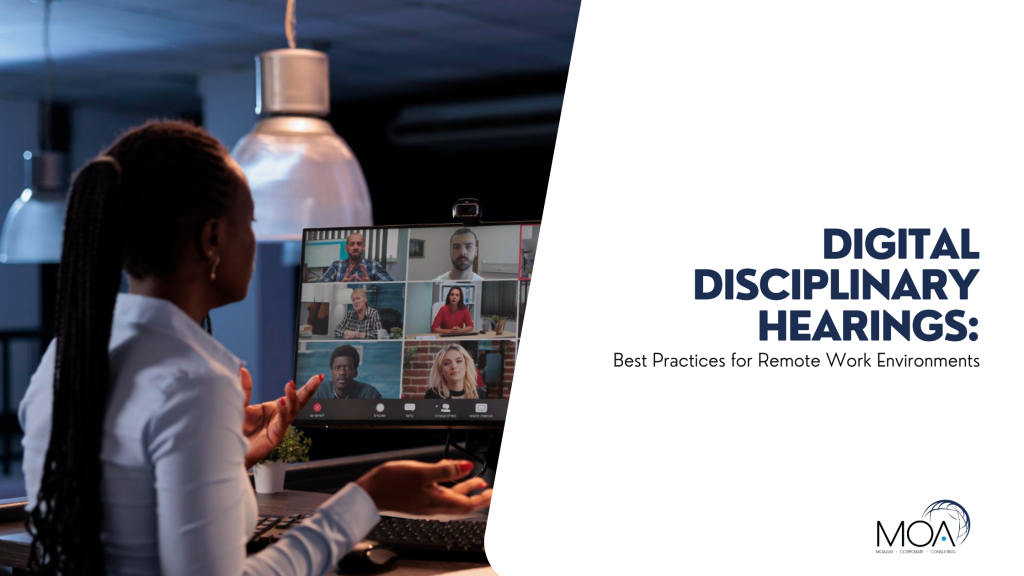
In the dynamic landscape of modern workplaces, the shift towards remote work has become more prevalent than ever. As organizations adapt to the challenges posed by the digital age, one critical aspect that requires careful consideration is disciplinary hearings. In this blog post, we will explore the best practices for conducting digital disciplinary hearings in remote work environments. In any workplace, maintaining healthy employee relations is paramount to fostering a positive work environment and ensuring organizational success. However, when conflicts or issues arise, conducting a thorough and fair investigation is crucial for resolving disputes and upholding trust and integrity within the organization. In this blog post, we’ll explore the essential steps to conducting a successful employee relations investigation. 1. Establish Clear Policies In a remote work setting, it is imperative to have well-defined policies regarding conduct, performance expectations, and disciplinary procedures. Ensure that employees are aware of these policies and have easy access to them. Clearly outline the steps involved in the disciplinary process, emphasizing fairness and due process. 2. Utilize Secure and Accessible Technology: Choose a secure and user-friendly digital platform for disciplinary hearings. Video conferencing tools, such as Zoom or Microsoft Teams, offer convenient solutions for remote hearings. Ensure that both the management and employees have access to the necessary technology and provide guidance on its usage to avoid technical difficulties during hearings. 3. Schedule Thoughtfully: When scheduling digital disciplinary hearings, consider time zones, work hours, and potential disruptions. Aim for a time that accommodates all parties involved and allows for a focused and uninterrupted discussion. Clearly communicate the hearing schedule well in advance, providing everyone with ample time to prepare. 4. Prioritize Confidentiality and Privacy: Uphold the confidentiality of disciplinary hearings by emphasizing the importance of private spaces during remote proceedings. Encourage participants to join the meeting from a quiet and confidential location to maintain the privacy of the discussion. Remind all involved parties of the sensitivity of the matter and the need for discretion. 5. Provide Adequate Notice and Information: Ensure that employees are adequately informed about the disciplinary hearing, including the specific allegations and the purpose of the meeting. Offer ample notice to allow employees to prepare their defense, gather relevant documentation, and secure legal representation if necessary. Clarity and transparency are key to a fair and just process. 6. Facilitate Effective Communication: Foster open communication during digital disciplinary hearings by establishing ground rules for respectful interaction. Encourage all participants to use video to enhance non-verbal communication, and utilize features like screen sharing to present evidence or documentation. The goal is to replicate, as much as possible, the atmosphere of an in-person hearing. 7. Document Proceedings Thoroughly: Maintain detailed records of the digital disciplinary hearing, including a summary of discussions, decisions made, and any actions to be taken. Documenting the proceedings ensures transparency, helps in the event of an appeal, and provides a clear historical record for future reference. Conclusion As remote work becomes a standard practice, adapting disciplinary hearings to a digital format is essential. By implementing these best practices, organizations can navigate the challenges of remote environments while upholding fairness, due process, and maintaining a positive and respectful workplace culture. Digital disciplinary hearings, when conducted thoughtfully, can contribute to a more efficient and equitable resolution of workplace issues.
Counseling vs. Disciplinary Action: When and How to Choose

Maintaining a healthy and productive work environment requires effective management of employee behavior and performance. When issues arise, employers are often faced with the decision of whether to opt for counseling or take disciplinary action. In this blog post, we\’ll delve into the distinctions between counseling and disciplinary action, exploring when and how to choose each approach. Understanding Counseling in the Workplace Definition: Counseling in the workplace involves providing employees with guidance, support, and feedback to address performance or behavioral issues. It is a proactive and constructive approach aimed at helping employees understand and overcome challenges. When to Choose Counseling: How to Implement Counseling: Understanding Disciplinary Action in the Workplace Definition: Disciplinary action involves taking punitive measures in response to serious misconduct, repeated offenses, or significant performance issues. It is a reactive approach aimed at correcting behavior through consequences. When to Choose Disciplinary Action: How to Implement Disciplinary Action: Choosing the Right Approach: Consider the Severity: Assess Employee Attitude: Evaluate Organizational Culture: Conclusion: Striking the Right Balance In the delicate balance between counseling and disciplinary action, the key is to tailor your approach to the specific circumstances at hand. Recognizing when to offer support and guidance and when to enforce consequences is crucial for maintaining a fair, productive, and positive workplace environment. By understanding the nuances between counseling and disciplinary action, employers can navigate employee issues with confidence and foster a culture of continuous improvement and accountability.